My paternal great-grandad, Ali Miralaygil (aka Ali Miralayzade), was an Ottoman-era artist, who created wall paintings all around Anatolia in the early 19th century. He was considered to be one of the most important Ottoman-era mural painters.
Ali Miralaygil was born in 1861 in the town of Harput, modern-day Elazig, and was the son of Ömer Bey and Cemile Hanım. He studied painting with his father, who was also a mural artist. Miralaygil’s work is characterized by its realism and its attention to detail. He is known to have used charcoal and colored plaster. His painting style, particularly the figure depictions, and his lack of perspective, resembling miniature art, was inspired by Matrakçı Nasuh’s art.
Miralaygil’s work has been deemed an important contribution to the history of Ottoman art as it provides valuable insights into the way that Istanbul was perceived by people living in Anatolia in the 19th century.
His work can be currently found in a number of mosques and other buildings in Anatolia, such as: Harput Ulu Mosque, Harput Hacımusaoğlu, Gümüşhane, Sivas Grand, and Tokat Grand Mosques.
Miralaygil’s most famous charcoal wall panorama of Harput, created around 1890 and measuring 105 x 270 cm, can be found on the wall by the pool in a house in Hüseynik (now Ulukent). The Harput panorama depicts the city’s appearance a century prior to its creation, stretching from the Sinabud neighborhood in the east to the Şehroz neighborhood in the west, including Meteris hill in the center. This important work was discovered and brought to light by Prof. Dr. Metin Sözen in 1968 and later studied by Prof. Dr. Rüçhan Arık, becoming a recognized piece in Turkish art history.
Ali Miralaygil died around 1940s. Despite Ali Miralaygil’s significance, early biographical attempts often confused him with Dr. Ali Kemal Bey due to a name similarity. Later local research, including interviews with his daughter and grandchildren and examination of official documents, led to the accurate determination of Ali Miralaygil’s biography [1-6].
[1] “Osmanli Donemi Anadolu Duvar Resimlerinde Istanbul Tasvirleri”, Erciyes Universitesi Sanat Tarihi Bolumu, Yuksek Lisans Tezi, Yasemin Ecesoy, 2011, https://avesis.erciyes.edu.tr/dosya?id=bc73f061-4c8c-451a-b4e2-a4222ad359a9
[2] “XVII-XIX. Yüzyıllarda Osmanlı Dönemi Konut Mimarisinde İç Mekân Tavan Süslemelerine Genel Bir Bakış”, İnsan Ve İnsan, 5 (17), 214-232, Özkeçeci, İ., Gül Durukan, S. N., & Alacalı, H. (2018), https://dergipark.org.tr/tr/download/article-file/502956
[3] “Huseynik (Ulukent) Havuzbasi ve Harput/Elazig Panoramasi”, Journal of World of Turks, ZfWT Vol. 2, No. 2, 2010, Celil Arslan, Yrd. Doç. Dr., Erciyes Üniversitesi Sanat Tarihi Bölümü, https://www.ajindex.com/dosyalar/makale/acarindex-1423939543.pdf
[4] “Ressam Miralayzade Ali Bey”, Namik Acikgoz https://www.nadirkitap.com/ressam-miralayzade-ali-bey-haber-sayfasi-15-10-ebat-efemera28607415.html
[5] “Köyde Bir Duvar Resmi”, Cem Bayındır, Turan Gazetesi,Haziran 5 2023, https://www.turangazetesi.net/koyde-bir-duvar-resmi
[6] “Harput Yollarinda”, Ishak Sunguroglu, 1958, https://isaretyayinlari.com.tr/urun/harput-yollarinda-4-cilt-takim/
Note: Elazığ is a modern city in Turkiye, while Harput is the ancient town and fortress, and currently a district of Elazığ. Hüseynik Köyü (now Ulukent) a village of Elazığ, is located on the slope leading to Harput.
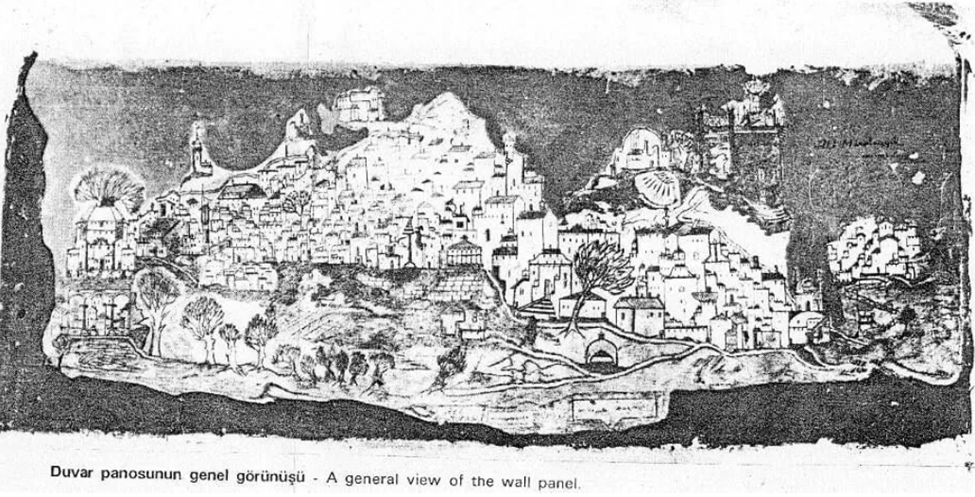
Figure 1. A general view of the Elazığ Hüseynik (Ulukent) Köyü wall panel from 1980 depicting Harput and Istanbul
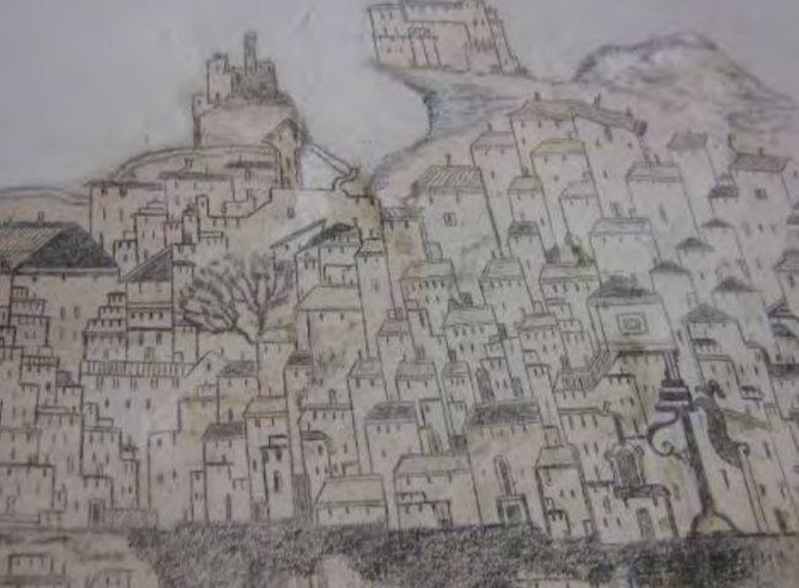
Figure 2. A close-up view of the Elazığ Hüseynik (Ulukent) Köyü wall panel from 1980 depicting Harput and Istanbul
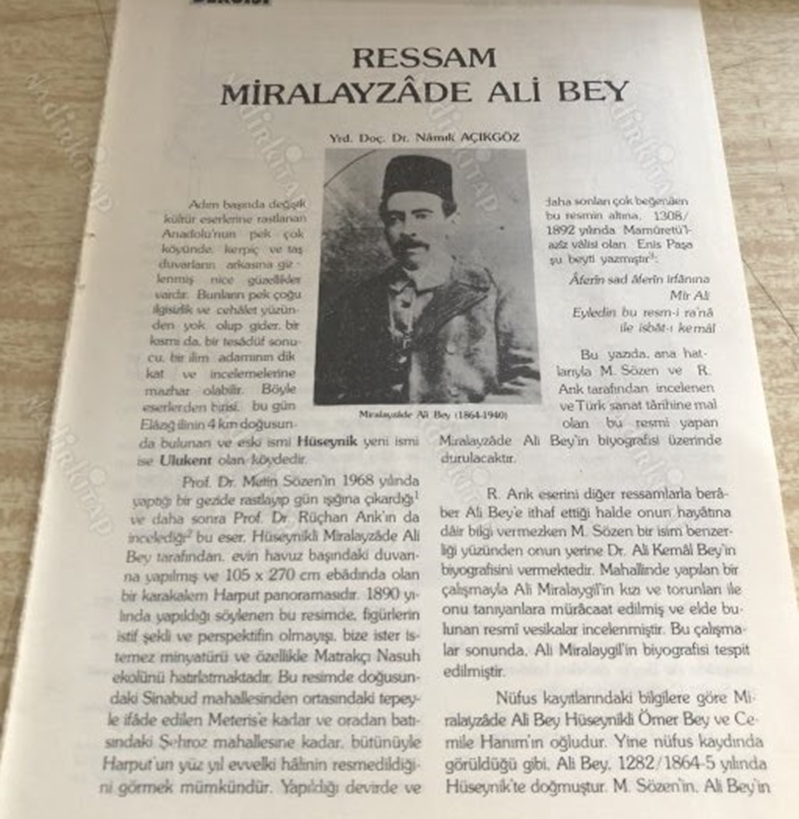
Figure 3. Research paper about Ali Miralaygil [4]